

When it comes to storing your belongings for an extended period, preparation is key. Many people assume they can simply pack items into boxes and lock them away, only to discover months later that their possessions have been damaged by damp, dust, or pests.
Proper preparation ensures that everything remains in good condition and ready for use when you need it again.
Neglecting these steps can lead to unnecessary stress and expense. Mould can grow on clothes, furniture may warp, and electronics can corrode if not stored correctly.
By taking the time to prepare your belongings properly, you can protect them from common storage hazards and enjoy peace of mind knowing they’ll remain safe and secure.
Assess What You Really Need to Store
Before you begin packing, it’s worth deciding what truly needs to go into storage.
Many people store items they no longer use or value, which only takes up space and increases costs. Consider donating, selling, or recycling anything you don’t see yourself needing again.
Being selective not only reduces the amount of storage you require but also makes unpacking easier later.
By streamlining your possessions, you’ll create a more organised storage unit and ensure that only your most valuable or useful items take up space.

Clean and Dry Everything First
One of the most important steps before storage is ensuring all items are clean and completely dry. Clothing should be washed and fully dried to prevent mildew.
Furniture should be dusted, polished, and treated with protective solutions if needed. Leather, in particular, benefits from a conditioner to stop it from cracking over time.
Appliances also require special attention. Fridges and freezers should be defrosted and wiped dry to avoid mould and unpleasant smells.
Washing machines and dishwashers should be emptied and given time to air out so no trapped water lingers. A little preparation goes a long way in preserving their condition.
Use the Right Packing Materials
Not all packing materials are created equal, especially for long-term storage. Strong, sturdy boxes are far more reliable than thin cardboard, which can easily collapse under weight or humidity.
For sensitive belongings such as photographs or paperwork, plastic containers with tight-fitting lids provide added protection against moisture.
Protective wrapping is equally important. Bubble wrap, packing paper, and specialist furniture covers help safeguard items from scratches and dust.
It’s also essential to label boxes clearly with their contents. Doing so makes it much easier to find what you need without rummaging through every container.
Protect Against Moisture and Pests
Damp is one of the greatest threats to items in storage. Using silica gel packs, moisture absorbers, or even dehumidifier blocks in boxes helps keep the air dry and prevents mould.
Cover furniture with breathable sheets rather than plastic, as plastic can trap condensation and encourage mildew growth.
Pest prevention is another crucial step. Never store food, plants, or anything that could attract rodents and insects.
Ensuring boxes are tightly sealed and choosing containers with lids also provides an added barrier. A little foresight can save you from an unpleasant surprise later on.
Pack Strategically
How you pack your items has a significant impact on their long-term condition. Heavy items should always go at the bottom of boxes, with lighter items on top to avoid crushing.
Overfilling boxes is best avoided, as this increases the risk of them breaking or becoming difficult to move.
For large furniture, disassembling where possible is a smart approach. Removing table legs, headboards, or shelving not only saves space but also prevents unnecessary strain on joints and fixings.
Keeping an inventory list of everything you’ve stored ensures you know exactly what’s inside your unit, reducing confusion months down the line.
Consider Climate and Storage Duration
Not all items are suited to standard storage conditions, especially if you’re planning on storing them for years rather than months.
Sensitive items such as antiques, electronics, and important documents may benefit from climate-controlled units, which maintain stable temperatures and humidity levels.
The longer you intend to store your belongings, the more important this consideration becomes.
While short-term storage may only require basic precautions, long-term arrangements demand extra attention to ensure valuable possessions remain safe from environmental changes.
Insurance and Peace of Mind
Even with the best preparation, accidents can happen, which is why insurance is worth considering. Many storage facilities offer their own insurance policies, while others may allow you to extend your existing home contents cover to include stored belongings.
Checking the details of your policy ensures you’re properly protected.
Having insurance provides valuable peace of mind. It’s one less thing to worry about, allowing you to store your items with confidence.
Knowing that your belongings are financially covered against unforeseen events makes the whole process less stressful.
Final Checklist Before Locking Up
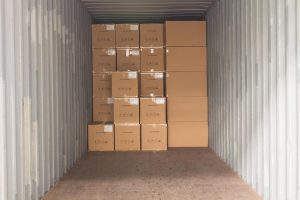
Before closing your storage unit, it’s wise to run through a final checklist. Place boxes and furniture on pallets or shelving to keep them off the floor in case of condensation.
Double-check that everything is sealed, secure, and clearly labelled.
Taking a few moments to review your efforts ensures you haven’t overlooked anything.
Once you’re satisfied, you can lock up knowing that your belongings are properly stored and well-protected for the long term.
Conclusion
Preparing your belongings for long-term storage may seem like an extra effort, but it pays off in the end.
From cleaning and packing carefully to protecting against damp and pests, each step contributes to keeping your possessions safe and intact.
With the right approach, you’ll avoid the common pitfalls that often catch people out.
Whether you’re storing items during a move, renovation, or simply to create more space at home, these best practices will ensure everything remains in excellent condition until you need it again.
Get in touch with us today to arrange self storage services.